
Donate to Animal Welfare: How to Support Animal Rescue in India From Anywhere in the World
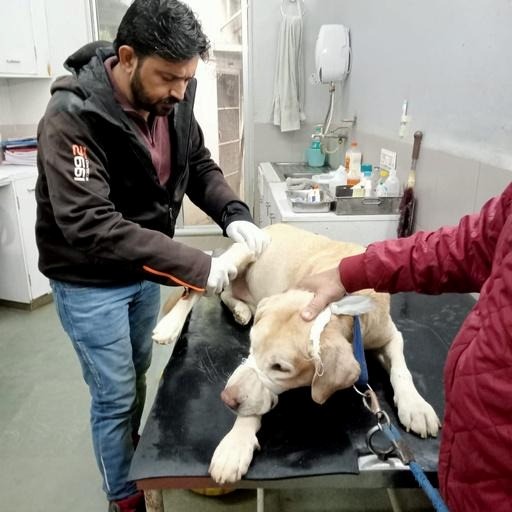
Table of Contents Loading contents… Linkedin Facebook-f Instagram Linkedin-in Youtube Every day, animals in India need help with injuries, illness, abandonment, and recovery. Providing this care requires timely injured animal treatment, veterinary care for animals, food, shelter, and rehabilitation. When you donate to an animal rescue charity in India, you can help organisations continue caring for animals in need. Whether you live in India or overseas, your support can contribute to a safer, healthier future for rescued animals. How Your Donation Helps Donations can help support essential animal welfare activities, including: Injured animal treatment: Helping animals receive medical attention and recover from injuries. Veterinary care for animals: Supporting treatment, medicines, and ongoing care. Rescue and rehabilitation: Helping rescued animals recover in a safe environment. Food and shelter:Supporting animals during recovery and rehabilitation. How to Help Rescued Animals in India From Abroad If you live outside India, you can explore ways to help rescued animals in India by supporting credible animal rescue organisations and animal welfare charities. Before donating, visit the organisation’s official website and confirm its eligibility to receive international
Beyond the Thar: Camel Welfare in Rajasthan and Pushkar Mela
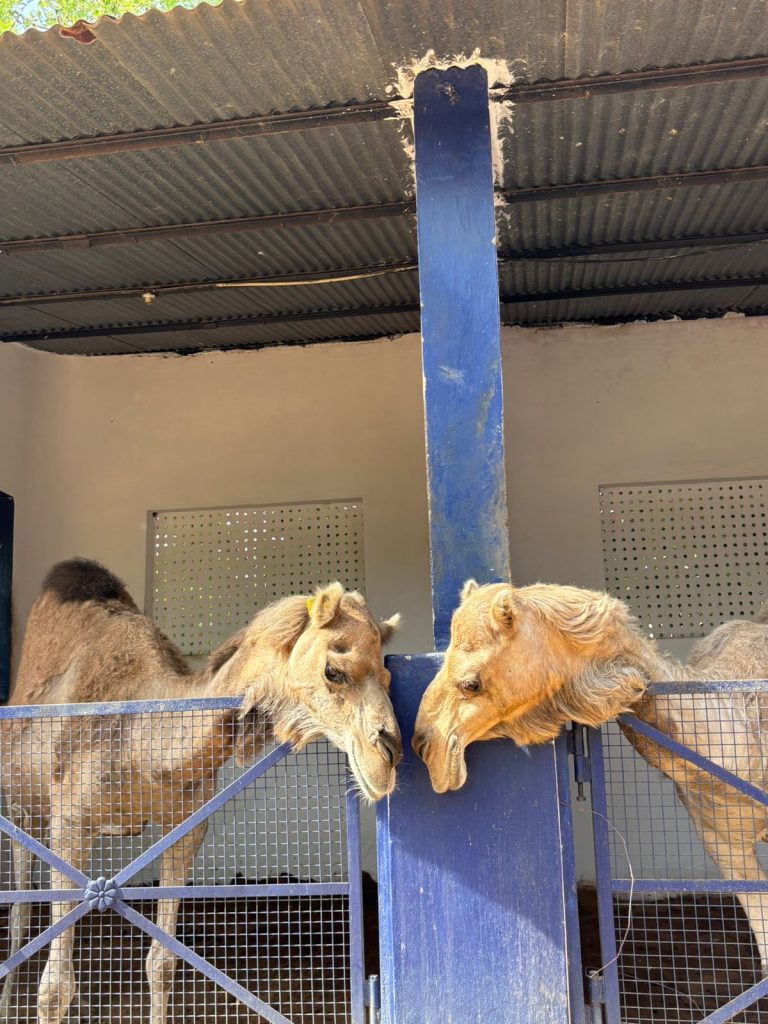
Table of Contents Loading contents… Linkedin Facebook-f Instagram Linkedin-in Youtube Camels are an important part of Rajasthan’s culture, desert heritage, and rural livelihoods. However, their well-being depends on proper nutrition, veterinary care, humane handling, and protection from preventable suffering. From rural communities to the famous Pushkar Mela, raising awareness about camel welfare in Rajasthan is essential to protecting these animals. Pushkar Mela: Celebrating Camels with Compassion Pushkar Mela attracts visitors from across India and around the world. While camels are closely associated with this cultural gathering, travel, heat, unfamiliar surroundings, and prolonged activity can affect their welfare. Every camel deserves clean water, suitable food, adequate rest, safe handling, and timely veterinary treatment. Visitors can support responsible tourism by choosing ethical animal experiences and reporting suspected cruelty to the appropriate authorities. Celebrating Rajasthan’s heritage also means protecting the animals that help shape it. Why Camel Welfare Needs Year-Round Attention Camel welfare extends beyond festivals. In rural and desert areas, animals may face untreated injuries, illness, inadequate nutrition, and limited access to veterinary services. Veterinary check-ups: Identify illness and injuries early. Proper
Why Pain Management Matters in Animal Recovery: What Happens When an Injured Animal Is in Pain?
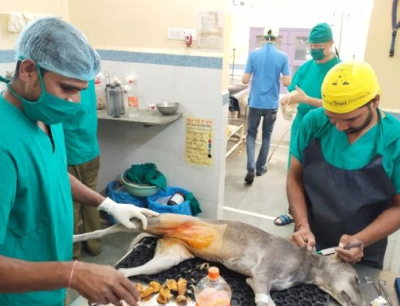
When an injured animal arrives at a veterinary hospital, the visible problem is usually the first thing we notice—a wound, fracture, injured eye, tumour or difficulty walking. But behind every visible injury is something we cannot easily see: pain.Animals cannot tell us where it hurts or how severe the pain is. Instead, they communicate through changes in their behaviour, movement, posture, appetite and response to people. At Help in Suffering (HIS), rescued animals can arrive with traumatic injuries, infected wounds, fractures and other serious conditions. In 2024–25, HIS attended 9,782 rescue calls, rescued 7,742 animals and provided 12,500 hospital and OPD treatments. Recovery is not only about treating the visible injury. It also means managing pain and helping the animal regain strength and normal behaviour. 1. Why Is Pain Difficult to Recognise in Animals? An animal cannot tell us, “I am in pain.” Instead, veterinarians look for changes such as: Limping or avoiding weight on a limb Reduced movement Loss of appetite Unusual posture or restlessness Withdrawal from people Reacting when a painful area is approached Distance from people Sudden
How to Read a Street Dog’s Body Language: Signs of Fear, Stress and Trust
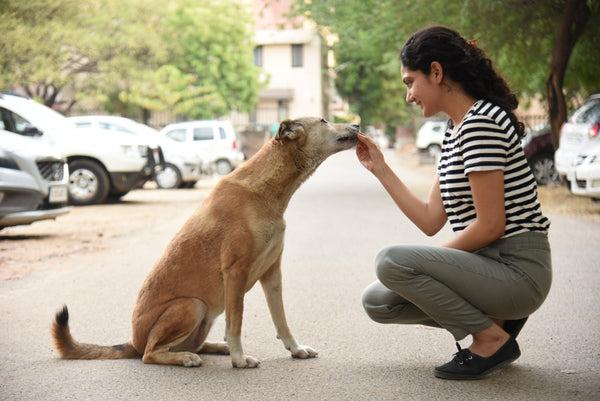
A street dog may not be able to tell us what it is feeling in words, but it is communicating all the time. The position of its ears, the movement of its tail, the way it holds its body, where it looks, and even how close it chooses to stand can tell us a great deal. Learning to understand street dog body language is not just about getting closer to animals. It is about knowing when to give a dog space, when an interaction is safe, and when a dog may be frightened, stressed, or in need of help. For people and dogs who share the same streets, this simple understanding can make everyday interactions safer and more compassionate. Dogs Communicate Through Their Whole Body When people try to understand a dog, they often look only at the tail. But a wagging tail does not always mean that a dog is happy. To understand what a dog is communicating, it is important to look at the whole dog rather than focusing on just one signal. Pay attention to: Ears Eyes