
![[IMAGE 1 – HERO IMAGE]](https://helpinsuffering.org/wp-content/uploads/2026/09/IMG_8193.png) When an injured animal arrives at a veterinary hospital, the visible problem is usually the first thing we notice—a wound, fracture, injured eye, tumour or difficulty walking.
When an injured animal arrives at a veterinary hospital, the visible problem is usually the first thing we notice—a wound, fracture, injured eye, tumour or difficulty walking.
But behind every visible injury is something we cannot easily see: pain.
Animals cannot tell us where it hurts or how severe the pain is. Instead, they communicate through changes in their behaviour, movement, posture, appetite and response to people.
At Help in Suffering (HIS), rescued animals can arrive with traumatic injuries, infected wounds, fractures and other serious conditions. In 2024–25, HIS attended 9,782 rescue calls, rescued 7,742 animals and provided 12,500 hospital and OPD treatments.
Recovery is not only about treating the visible injury. It also means managing pain and helping the animal regain strength and normal behaviour.
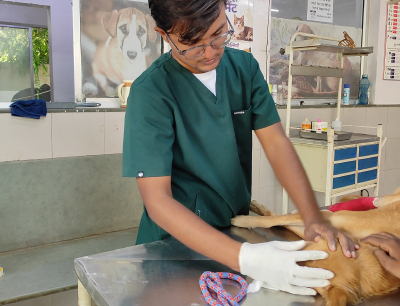
Pain does not always look dramatic.
Some animals may continue walking despite an injury. Others may become unusually quiet, stop eating, avoid touch or repeatedly change position. This is especially important when caring for rescued street animals, which may continue to move despite discomfort.
The absence of crying does not mean the absence of pain.
Any animal that appears injured, unwell or significantly different from its normal behaviour should be assessed by a veterinarian or appropriate animal-care professional.
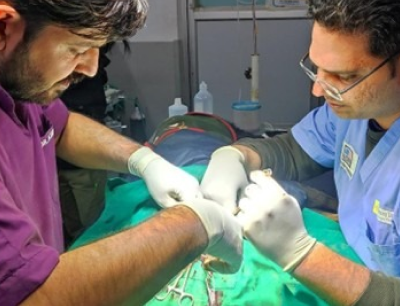
Pain management depends on the animal’s condition and the cause of the pain.
Veterinary care may include:
Pain management works alongside treatment of the underlying problem. The goal is not simply temporary comfort, but to help the animal move safely through recovery.
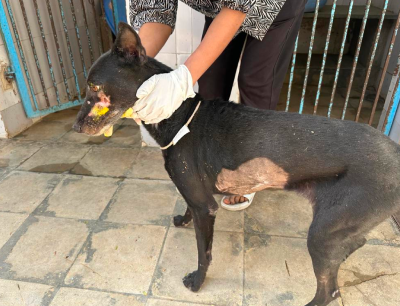
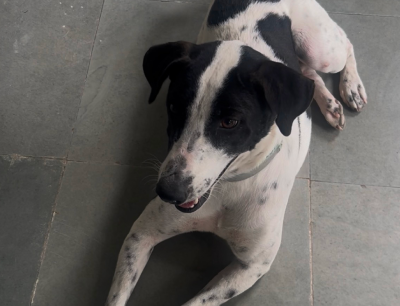
Vijay arrived at HIS with a deep traumatic chest wound, dehydration and shock.
His treatment included stabilisation, pain management and wound care, followed by daily dressings, laser therapy and antibiotics.
As his physical condition improved, so did his behaviour. He gradually changed from being fearful and withdrawn to becoming brighter and more confident.
Every rescued animal requires care based on its individual condition.
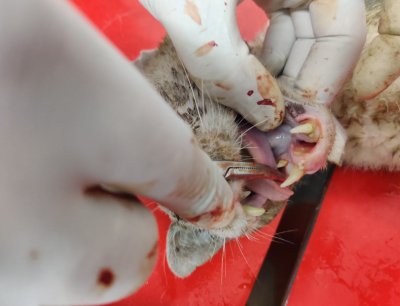
Felix arrived with a fractured jaw that made eating difficult. His jaw was surgically repaired and stabilised, followed by pain management and assisted feeding.
Lara suffered severe trauma to her eye and required urgent surgery. Her recovery included pain management, infection control and intensive nursing care.
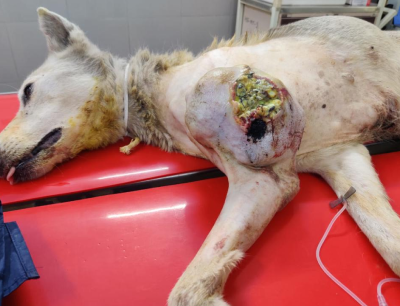
Buddy arrived with a large shoulder tumour infested with maggots. HIS veterinarians treated the infection and affected area before he underwent tumour-removal surgery. He later recovered and was reported to be healthy and pain-free.
These cases show why recovery often requires more than treating the immediate injury.
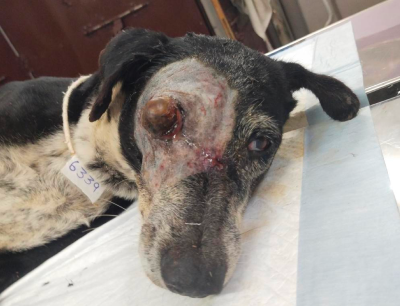
An animal may still need care even after surgery or when an external wound begins to heal.
Recovery can involve regaining:
Veterinary treatment, pain management, nursing and rehabilitation therefore work together as part of the recovery journey.