
Donate to Animal Welfare: How to Support Animal Rescue in India From Anywhere in the World
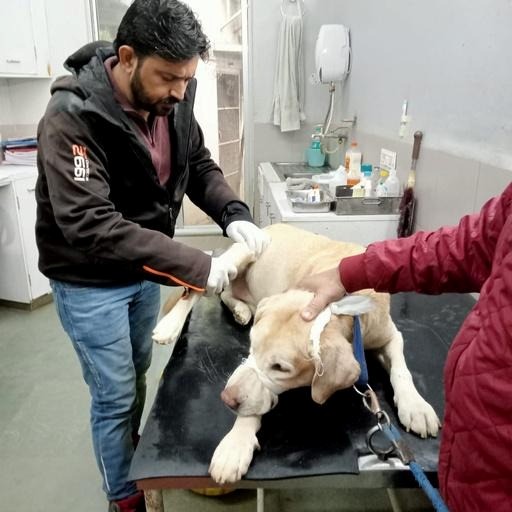
Table of Contents Loading contents… Linkedin Facebook-f Instagram Linkedin-in Youtube Every day, animals in India need help with injuries, illness, abandonment, and recovery. Providing this care requires timely injured animal treatment, veterinary care for animals, food, shelter, and rehabilitation. When you donate to an animal rescue charity in India, you can help organisations continue caring for animals in need. Whether you live in India or overseas, your support can contribute to a safer, healthier future for rescued animals. How Your Donation Helps Donations can help support essential animal welfare activities, including: Injured animal treatment: Helping animals receive medical attention and recover from injuries. Veterinary care for animals: Supporting treatment, medicines, and ongoing care. Rescue and rehabilitation: Helping rescued animals recover in a safe environment. Food and shelter:Supporting animals during recovery and rehabilitation. How to Help Rescued Animals in India From Abroad If you live outside India, you can explore ways to help rescued animals in India by supporting credible animal rescue organisations and animal welfare charities. Before donating, visit the organisation’s official website and confirm its eligibility to receive international
Beyond the Thar: Camel Welfare in Rajasthan and Pushkar Mela
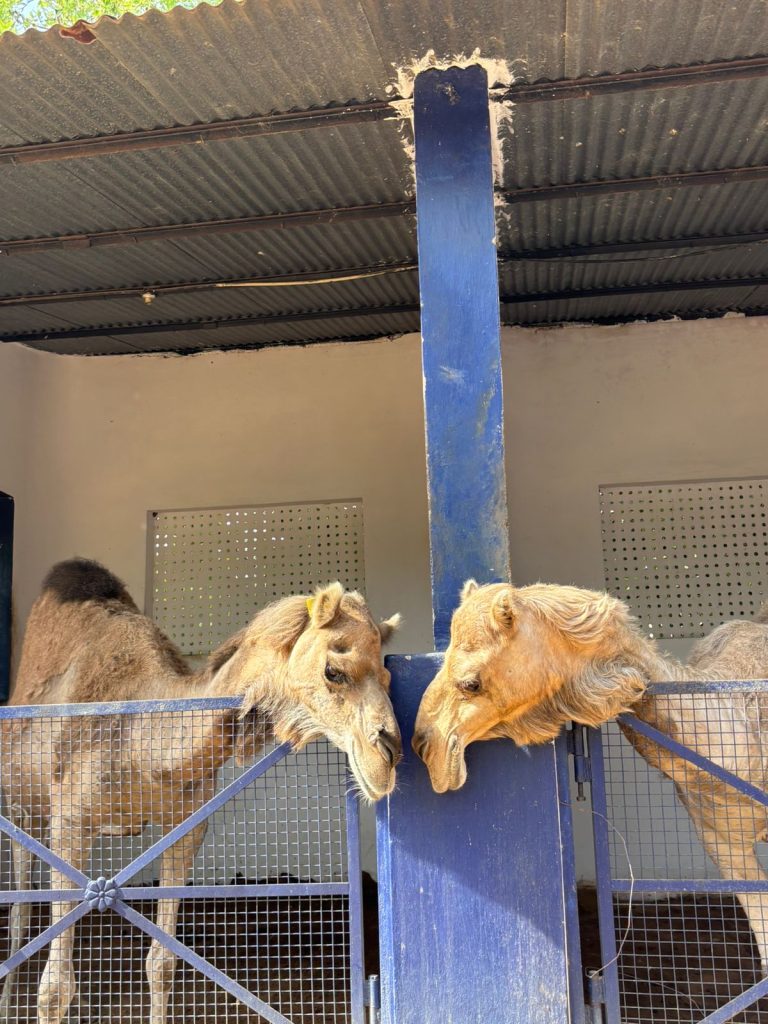
Table of Contents Loading contents… Linkedin Facebook-f Instagram Linkedin-in Youtube Camels are an important part of Rajasthan’s culture, desert heritage, and rural livelihoods. However, their well-being depends on proper nutrition, veterinary care, humane handling, and protection from preventable suffering. From rural communities to the famous Pushkar Mela, raising awareness about camel welfare in Rajasthan is essential to protecting these animals. Pushkar Mela: Celebrating Camels with Compassion Pushkar Mela attracts visitors from across India and around the world. While camels are closely associated with this cultural gathering, travel, heat, unfamiliar surroundings, and prolonged activity can affect their welfare. Every camel deserves clean water, suitable food, adequate rest, safe handling, and timely veterinary treatment. Visitors can support responsible tourism by choosing ethical animal experiences and reporting suspected cruelty to the appropriate authorities. Celebrating Rajasthan’s heritage also means protecting the animals that help shape it. Why Camel Welfare Needs Year-Round Attention Camel welfare extends beyond festivals. In rural and desert areas, animals may face untreated injuries, illness, inadequate nutrition, and limited access to veterinary services. Veterinary check-ups: Identify illness and injuries early. Proper
Why Pain Management Matters in Animal Recovery: What Happens When an Injured Animal Is in Pain?
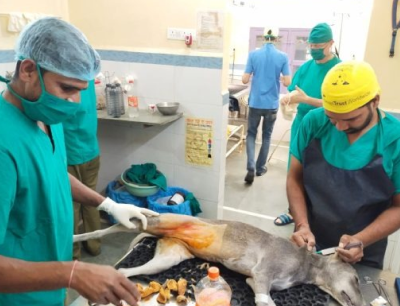
When an injured animal arrives at a veterinary hospital, the visible problem is usually the first thing we notice—a wound, fracture, injured eye, tumour or difficulty walking. But behind every visible injury is something we cannot easily see: pain.Animals cannot tell us where it hurts or how severe the pain is. Instead, they communicate through changes in their behaviour, movement, posture, appetite and response to people. At Help in Suffering (HIS), rescued animals can arrive with traumatic injuries, infected wounds, fractures and other serious conditions. In 2024–25, HIS attended 9,782 rescue calls, rescued 7,742 animals and provided 12,500 hospital and OPD treatments. Recovery is not only about treating the visible injury. It also means managing pain and helping the animal regain strength and normal behaviour. 1. Why Is Pain Difficult to Recognise in Animals? An animal cannot tell us, “I am in pain.” Instead, veterinarians look for changes such as: Limping or avoiding weight on a limb Reduced movement Loss of appetite Unusual posture or restlessness Withdrawal from people Reacting when a painful area is approached Distance from people Sudden
How to Read a Street Dog’s Body Language: Signs of Fear, Stress and Trust
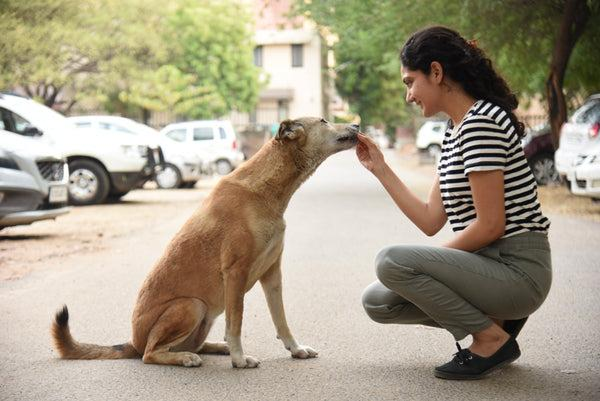
A street dog may not be able to tell us what it is feeling in words, but it is communicating all the time. The position of its ears, the movement of its tail, the way it holds its body, where it looks, and even how close it chooses to stand can tell us a great deal. Learning to understand street dog body language is not just about getting closer to animals. It is about knowing when to give a dog space, when an interaction is safe, and when a dog may be frightened, stressed, or in need of help. For people and dogs who share the same streets, this simple understanding can make everyday interactions safer and more compassionate. Dogs Communicate Through Their Whole Body When people try to understand a dog, they often look only at the tail. But a wagging tail does not always mean that a dog is happy. To understand what a dog is communicating, it is important to look at the whole dog rather than focusing on just one signal. Pay attention to: Ears Eyes
Building Healthier Communities Through Animal Welfare: Lessons from 45 Years of Work in Jaipur
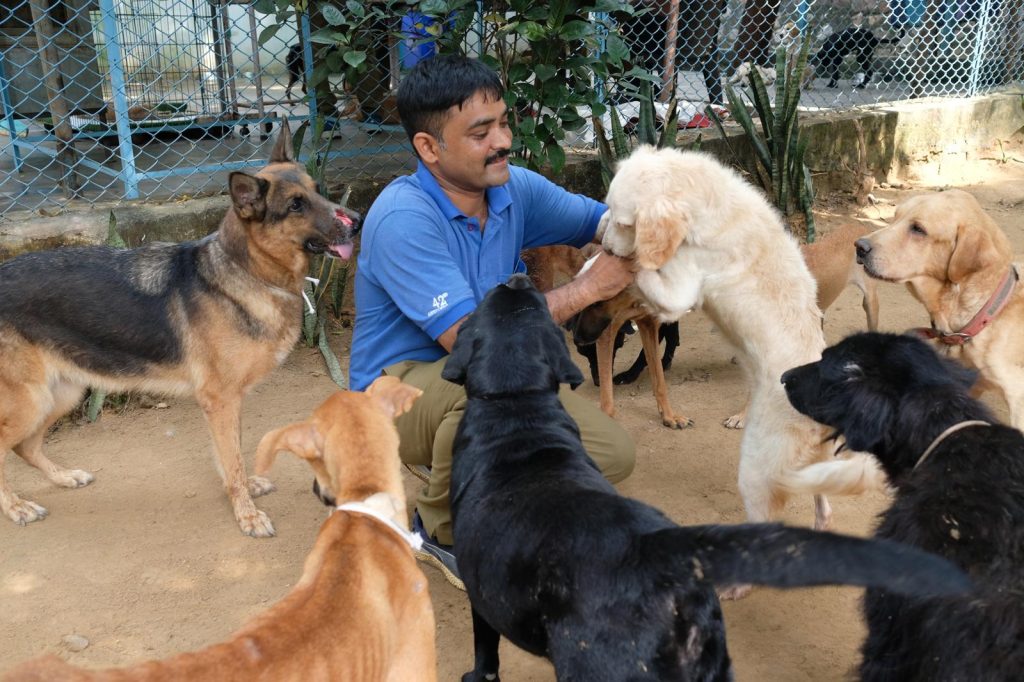
When people think about healthy communities, they usually think of hospitals, schools, sanitation systems, and public services. Rarely do they think about animals. Yet the wellbeing of people, animals, and the environment is deeply interconnected. Across India, community dogs, livestock, working animals, birds, wildlife, and people share the same spaces, resources, and challenges. Their health and welfare are not separate issues but part of a larger system that affects the quality of life of entire communities. This understanding lies at the heart of the One Health approach, a growing global movement that recognises that human health, animal health, and environmental health are inseparable. For 45 years, Help in Suffering (HIS) has witnessed this connection firsthand through its work in Jaipur. What began as an effort to alleviate animal suffering has evolved into a broader mission that touches public health, education, livelihoods, and community wellbeing. A Shared Environment, A Shared Responsibility India is home to millions of community animals that live alongside people every day. Street dogs, cattle, camels, horses, donkeys, birds, and other animals are part of the social and
How Jaipur Became One of India’s Leading Cities for Rabies Control
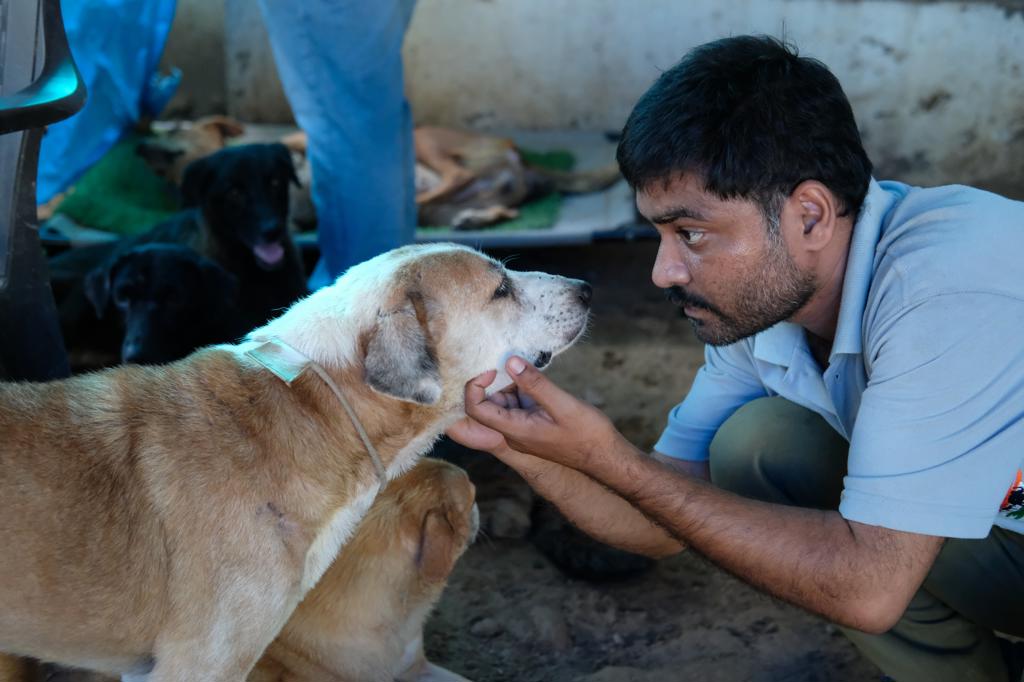
For decades, rabies has remained one of India’s most serious public health challenges. Despite being entirely preventable, the disease claims an estimated 45,000+ lives across the country every year. Yet within this grim landscape, Jaipur has achieved something remarkable. Since 1994, Help in Suffering’s Animal Birth Control (ABC) programme has transformed the city into one of India’s safest communities for rabies prevention. The results are striking: zero confirmed human rabies cases for over 20 consecutive years, 500 human lives saved from rabies, a 70% reduction in dog bite incidents, and more than 1,05,000 dogs sterilized and vaccinated. Understanding the Challenge In the early 1990s, Jaipur faced acute challenges. The street dog population was estimated at 50,000+ animals, and the city was seeing over 721 dog bite incidents per 100,000 people annually. Traditional approaches focused on culling, removing or killing street dogs but these methods consistently failed. When dogs were removed from an area, new ones quickly moved in. The population recovered within months, and the cycle continued. Even cities that spent millions on culling programmes saw temporary results followed by
The Pushkar Camel Fair: What Happens to the Animals
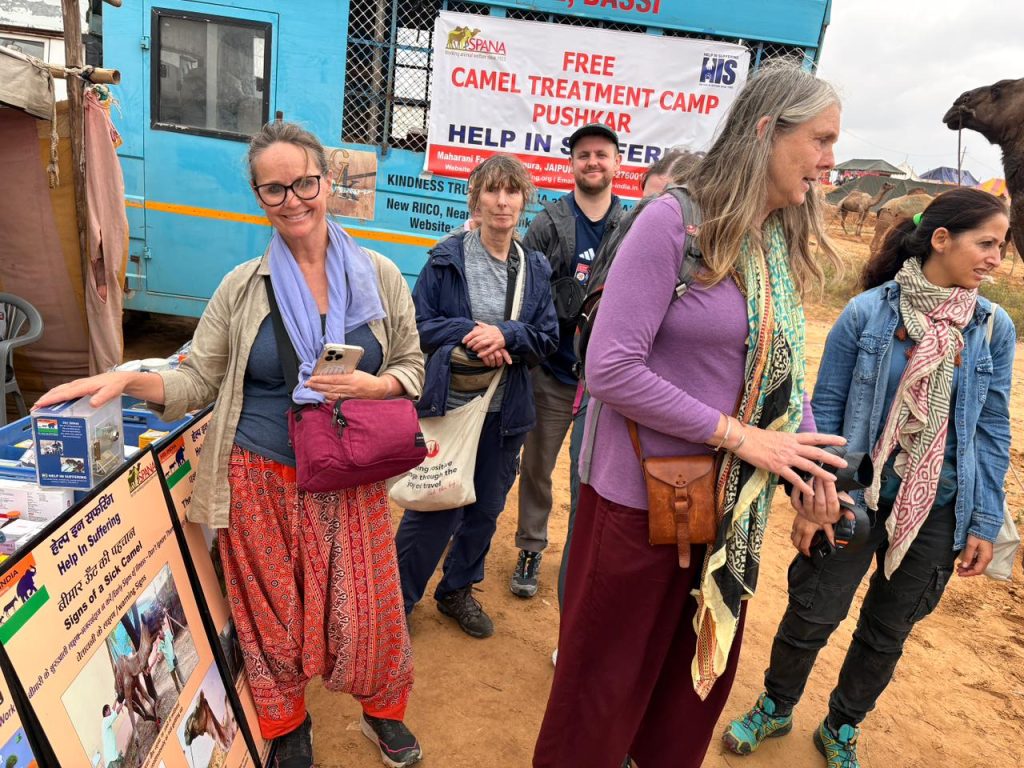
Every October and November, the ancient town of Pushkar in Rajasthan transforms. Traders and herders arrive from across northern India, some having walked alongside their animals for days. Nearly 6,800 animals – camels, horses, bullocks – fill the fairgrounds for one of India’s most spectacular annual events. For visitors, the Pushkar Camel Fair is colour, culture, and spectacle. For the animals who travel to get there, it is often a journey of exhaustion, injury, and pain. Help in Suffering has been running a free veterinary treatment camp at the Pushkar Camel Fair every year since 2004. What our vets find when they arrive tells a story that the photographs of the fair rarely show. What the camels go through to reach Pushkar Camels are remarkable animals – resilient, patient, built for desert endurance. But the journey to Pushkar tests them beyond what they are designed to bear. Owners walk their animals for days across Rajasthan, often without adequate rest or water. Others load them onto trucks for transport, where the stress of confinement, sudden temperature changes, and rough roads takes
Jaipur Moves Closer to Rabies-Free Status

Building a Rabies-Free Jaipur Rabies is a fatal but entirely preventable disease. In Jaipur, eliminating rabies requires more than isolated vaccination drives it demands high coverage, accurate data, rapid response, and sustained community engagement. The Jaipur Rabies Elimination Project (JREP) is a three-year, proof-of-concept programme led by Mission Rabies (WVS) in partnership with Help in Suffering (HIS), implemented across Jaipur Heritage and Greater Jaipur Nagar Nigam areas. The project aligns with global best practices recommended by the World Health Organization (WHO)and the World Organisation for Animal Health (WOAH). Since the start of the project in July 2025, the focus has been clear: protect people and animals by building a comprehensive, city-wide shield against rabies. What Has Been Achieved So Far In the first phase of implementation, the project has already delivered measurable, on-ground impact: 22,758 street dogs vaccinated against rabies through systematic, ward-by-ward coverage 24,748 school and community children reached with rabies awareness and bite-prevention education 6,663 teachers and community adults engaged through targeted outreach 210 health workers trained, strengthening frontline response and referral systems To strengthen surveillance and rapid containment: 358 dogs tested for rabies 63 positive cases identified
Compassion in Action: From Roadside Rescue to Recovery

Every Call Matters: Inside Our Rescue Work When an animal is injured on the streets of Jaipur, time is everything. Every day, Help in Suffering’s rescue teams respond to 150–200 distress calls – animals hit by vehicles, suffering from untreated wounds, cruelty cases, severe illness, or abandonment. For many, this call is their only chance of survival. In 2024–25, our teams attended over 9,700 rescue cases across species – dogs, cats, birds, and large working animals. Each rescue sets in motion a chain of care: ambulance response, veterinary assessment, surgery or treatment where needed, and patient recovery. Some animals heal and return safely to their territories. Others, too young, old, or injured to survive on the streets, find longer-term refuge at the shelter or move into adoption or permanent care. Behind every number is a story of trust – from the community that calls, from the animal that allows help, and from supporters who make this work possible. This is the heartbeat of Help in Suffering: showing up, every single day, for animals who have no one else. Learn more about our Rescue &
Teaching Kindness: Reaching the Next Generation

Teaching Kindness: Humane Education in Jaipur Lasting change begins with understanding. Fear and misinformation around street animals often lead to unsafe behaviour, conflict, and cruelty. Help in Suffering’s Humane Education programme addresses this at its root – by working with children. In 2024–25, the programme reached 9,500+ students across 45+ schools, helping children learn how to safely interact with animals, understand animal behaviour, and develop empathy and responsibility. These sessions don’t just teach kindness – they improve public safety. Children learn bite-prevention, compassion in action, and the importance of coexistence in shared urban spaces. The programme’s impact and structured approach have now been recognised by the Government of Rajasthan, paving the way for wider adoption. By shaping attitudes early, humane education helps create a future where animals are treated with respect and communities are safer, calmer, and more compassionate. Learn more about Humane Education See programme outcomes in our Annual Report 2024–25