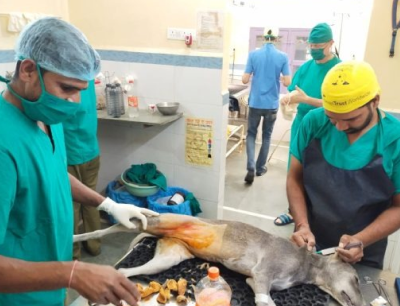
Building Healthier Communities Through Animal Welfare: Lessons from 45 Years of Work in Jaipur
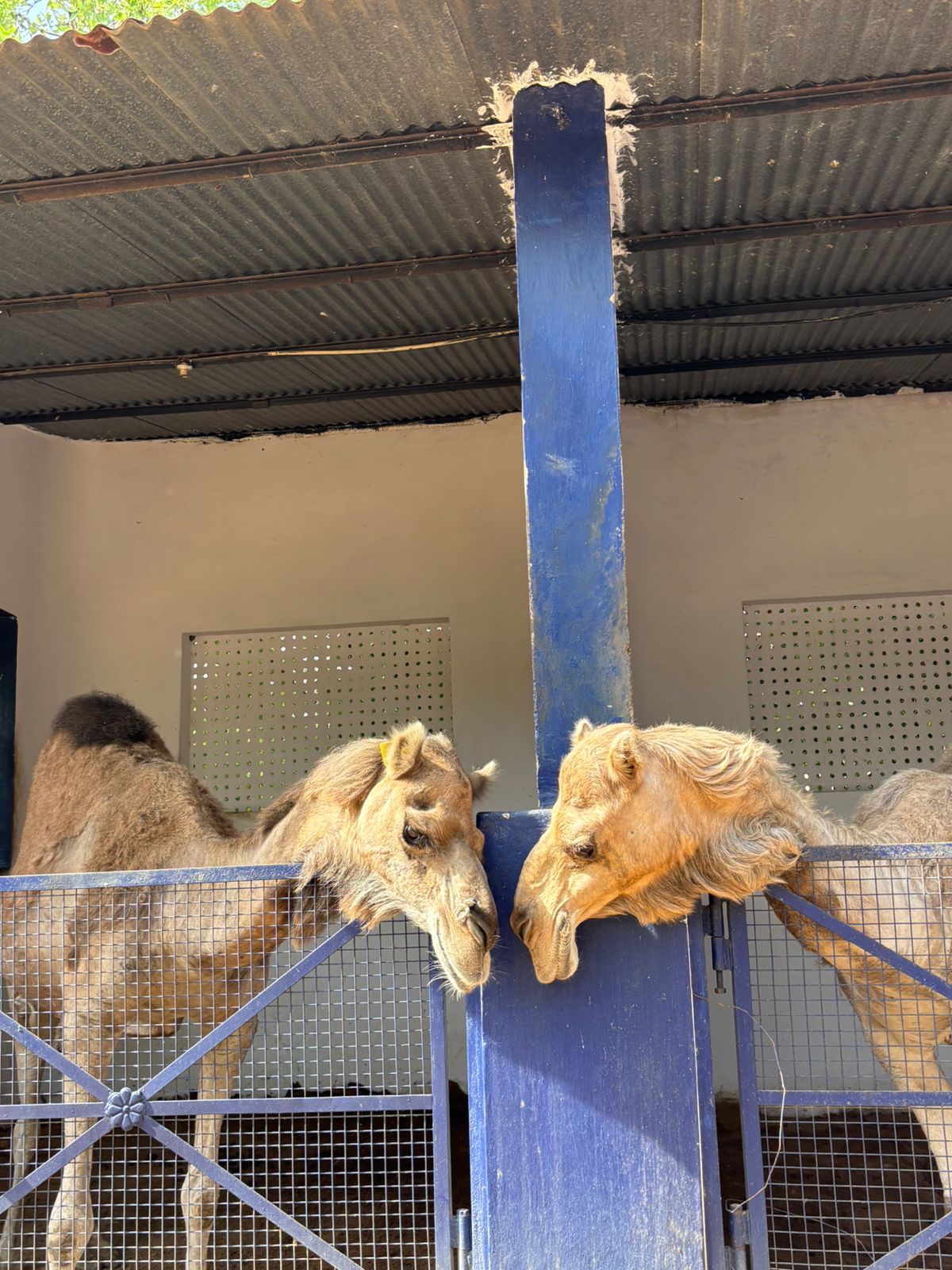
Beyond the Thar: Camel Welfare in Rajasthan and Pushkar Mela
Table of Contents Loading contents… Linkedin Facebook-f Instagram Linkedin-in Youtube Camels are an important part of Rajasthan’s culture, desert heritage, and rural livelihoods. However, their well-being depends on proper nutrition, veterinary care, humane handling, and protection from preventable suffering. From rural communities to the famous Pushkar Mela, raising awareness about camel welfare in Rajasthan is essential to protecting these animals. Pushkar Mela: Celebrating Camels with Compassion Pushkar Mela attracts visitors from across India and around the world. While camels are closely associated with this cultural gathering, travel, heat, unfamiliar surroundings, and prolonged activity can affect their welfare. Every camel deserves clean water, suitable food, adequate rest, safe handling, and timely veterinary treatment. Visitors can support responsible tourism by choosing ethical animal experiences and reporting suspected cruelty to the appropriate authorities. Celebrating Rajasthan’s heritage also means protecting the animals that help shape it. Why Camel Welfare Needs Year-Round Attention Camel welfare extends beyond festivals. In rural and desert areas, animals may face untreated injuries, illness, inadequate nutrition, and limited access to veterinary services. Veterinary check-ups: Identify illness and injuries early. Proper